7 Proper Sleep Positions for a Healthier Spine
Getting a good night’s sleep is about so much more than just the number of hours you log. The way you position your body while you sleep can have a profound impact on your spinal health, muscle tension, and how you feel when you wake up each morning. If you’ve ever rolled out of bed with a stiff neck, aching lower back, or that nagging feeling that you slept “wrong,” your sleep position may be a bigger factor than you realize. At Living Wellness Chiropractic in Columbia, MD, one of the most common conversations Dr. Connor Reed has with patients is about how nighttime habits affect daytime pain — and the good news is that this is something you can genuinely improve.
What Are Proper Sleep Positions for Spinal Health?
Proper sleep positions for a healthier spine are those that keep your head, neck, and spine in a neutral alignment — meaning no excessive twisting, bending, or compression of spinal structures while your body rests and recovers. The right position reduces strain on muscles, discs, and joints throughout the night.
Why Your Sleep Position Matters More Than You Think
Think about how much time you spend in bed each night. For most adults, that’s somewhere between six and nine hours — a significant chunk of every single day. That means your spine spends roughly a third of its life in whatever position you default to when the lights go out. Over weeks, months, and years, poor sleep posture can contribute to muscle imbalances, joint stress, and chronic pain patterns that are very real by the time patients arrive at our office in Columbia, MD.
Your spine has natural curves — a gentle inward curve at the neck (cervical lordosis), a slight outward curve in the mid-back (thoracic kyphosis), and another inward curve in the lower back (lumbar lordosis). Proper sleep positions support and preserve these curves. Improper ones force your spine out of alignment for hours at a stretch, which can irritate nerves, compress discs, and leave the surrounding muscles overworked and tight by morning.
Dr. Connor Reed frequently sees patients at Living Wellness Chiropractic whose chronic neck and back complaints have a strong connection to their sleep habits. Addressing spinal alignment during the day is only part of the equation — nighttime alignment matters just as much.
7 Proper Sleep Positions for a Healthier Spine
1. On Your Back with a Pillow Under Your Knees
Sleeping on your back is widely considered one of the best positions for spinal health. It allows your weight to be evenly distributed across your body’s largest surface area, reducing concentrated pressure on any one area. Placing a supportive pillow beneath your knees helps maintain the natural curve of your lumbar spine rather than flattening it against the mattress. Your head pillow should be just thick enough to support your neck without pushing your chin toward your chest.
2. On Your Side in the Fetal Position (Modified)
A gentle, modified fetal position — where your body is curled slightly but not pulled tightly into a ball — can be comfortable and relatively spine-friendly. The key word here is “modified.” Pulling your knees up too tightly and rounding your back severely can place uneven stress on your spine and limit deep breathing. Keep the curve mild, and use a pillow between your knees to keep your hips, pelvis, and spine in alignment throughout the night.
3. On Your Side with a Pillow Between Your Knees
Side sleeping with a pillow between the knees is one of the most practical and chiropractor-recommended positions. The pillow prevents the top leg from pulling the pelvis downward and rotating the spine, which is a very common source of lower back and hip pain. Your spine stays much closer to its natural alignment when the hips are stacked evenly. This position is also often recommended for those who are pregnant, dealing with hip pain, or managing disc-related discomfort.
4. On Your Side with Full-Body Pillow Support
For dedicated side sleepers who still wake up with aches, a full-length body pillow can be a game changer. By hugging a body pillow and placing it between your knees and ankles simultaneously, you achieve a more comprehensive level of alignment support from the hips all the way down. This limits the natural tendency to twist at the torso or let the upper arm collapse inward, which can put stress on the shoulder and neck.
5. On Your Back with a Cervical (Contour) Pillow
Back sleepers who still wake up with neck tension may benefit from switching to a cervical or contour pillow specifically designed to cradle the neck’s natural curve. A standard pillow that is too thick or too soft may push the head forward or let it sink into a position that strains the cervical joints. A contour pillow fills the gap between the back of your neck and the mattress, giving your cervical spine consistent support all night long.
6. On Your Side with Your Spine Elongated
Instead of curling or slumping, conscious side sleepers can focus on keeping their spine long and straight, as if being gently stretched from head to heel. Imagine a straight line running from the top of your head through your neck, mid-back, and tailbone. Keeping your chin slightly tucked — not pushed down to your chest — helps keep the cervical spine neutral. This position is particularly helpful for people dealing with mid-back tension or thoracic discomfort.
7. Transitional Positioning for Combination Sleepers
Many people don’t stay in one position all night — they move around, which is actually quite normal and even healthy to some degree. The key for combination sleepers is to be mindful of the transition moments. Avoid flopping from your back directly onto your stomach without rotating your entire body as a unit. Sleeping directly on your stomach is the one position chiropractors consistently caution against, as it requires your neck to be rotated sharply to one side for extended periods and places excessive pressure on the lumbar spine.
The Role of Your Pillow and Mattress
Even the best sleep position can be undermined by the wrong pillow or mattress. A mattress that is too soft may allow your hips or shoulders to sink unevenly, pulling the spine out of alignment. One that is too firm may not accommodate the natural curves of the body, creating pressure points. Most spine-focused professionals suggest a medium-firm mattress as a reasonable starting point for the majority of people, though individual needs vary depending on body type and sleep position.
Pillows are equally important and often overlooked. The height — or “loft” — of your pillow should match your sleep position. Side sleepers generally need a thicker, firmer pillow to fill the space between their ear and shoulder. Back sleepers need a lower, more supportive pillow that doesn’t push the chin forward. At Living Wellness Chiropractic in Columbia, MD, Dr. Connor Reed often helps patients identify whether their sleep setup is contributing to their pain patterns, sometimes with simple recommendations that make an immediate difference.
How Chiropractic Care Supports Better Sleep
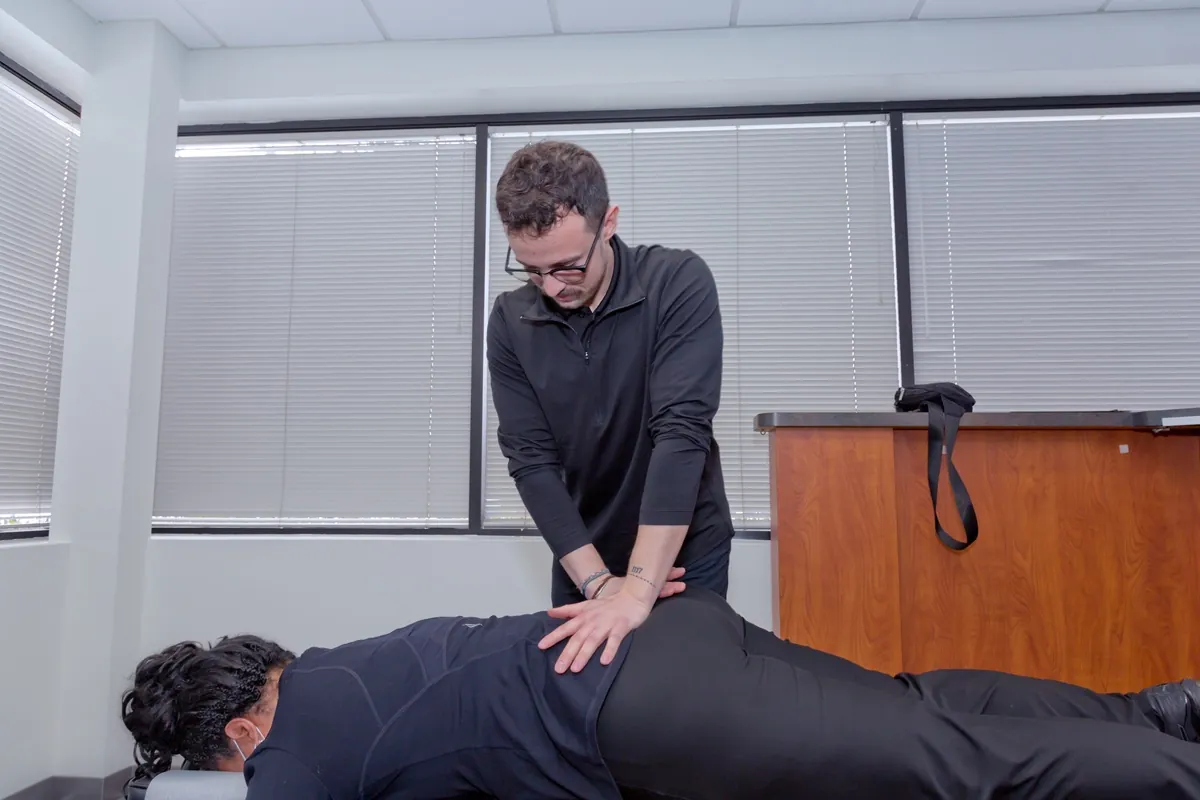
Chiropractic care takes a whole-body approach to musculoskeletal health, and that naturally includes the hours you spend sleeping. When the spine is misaligned — a condition chiropractors refer to as a subluxation — the surrounding muscles, joints, and nerves can become irritated and sensitized. This can make it harder to find a comfortable sleep position, harder to stay asleep, and harder to wake up feeling rested and pain-free.
Through spinal adjustments and other hands-on techniques, chiropractic care works to restore proper joint movement, reduce muscle tension, and support the nervous system’s ability to regulate the body efficiently. Evidence from several research reviews, including those referenced by the American Chiropractic Association, suggests that chiropractic care can be effective in reducing musculoskeletal pain — which in turn can make restful, aligned sleep much more attainable.
When you visit Living Wellness Chiropractic, Dr. Connor Reed takes time to understand your full picture — including how you sleep, what kind of mattress and pillow you use, and what your mornings typically feel like. This allows for a more individualized and thorough approach to your care.
Practical Tips to Improve Your Sleep Setup Tonight
You don’t have to overhaul your entire bedroom to start sleeping better for your spine. Small, intentional changes can add up to meaningful improvements over time. Here in Columbia, MD, Dr. Connor Reed at Living Wellness Chiropractic recommends that patients start with a few fundamentals before considering more involved interventions.
First, place a pillow between your knees if you’re a side sleeper — this single change alone can noticeably reduce morning lower back and hip discomfort. Second, if you’re a back sleeper, try a small rolled towel or pillow under your knees to preserve your lumbar curve. Third, evaluate your pillow: if it’s flattened, yellowed, or more than two years old, it may no longer be providing adequate support. Fourth, try to wind down in a neutral seated or reclined position before bed — slumping on the couch for an hour before sleep can prime your muscles for poor overnight posture. Fifth, be mindful of how you get out of bed in the morning. Rolling to your side first and using your arms to push up (rather than sitting straight up) protects your spine during that vulnerable transition from lying to standing.
When to See a Chiropractor About Sleep-Related Pain
If you regularly wake up with stiffness, pain, or discomfort that takes more than an hour to resolve, it’s worth having your spine evaluated. Occasional morning stiffness after sleeping in an unusual position is normal. But persistent, recurring pain upon waking — especially if it’s affecting the same area consistently — can be a signal that something mechanical is going on that deserves professional attention.
There are also some symptoms that warrant prompt evaluation and possible referral beyond chiropractic care. These include sharp or shooting pain, numbness or tingling down the arms or legs, pain that worsens with rest rather than improving, or any loss of bladder or bowel control. These may indicate more serious nerve or disc involvement, and at Living Wellness Chiropractic, Dr. Connor Reed will always refer patients for further evaluation if their presentation falls outside the appropriate scope of conservative chiropractic care.
Sleep Position |
Spinal Benefit |
Best For |
Watch Out For |
|---|---|---|---|
|
Back with knee pillow |
Even weight distribution, supports lumbar curve |
General back pain, disc issues |
Snoring, sleep apnea |
|
Side with knee pillow |
Keeps hips stacked, reduces lumbar rotation |
Hip pain, pregnancy, lower back issues |
Shoulder pressure if unsupported |
|
Modified fetal position |
Reduces disc pressure at lumbar level |
Herniated disc, sciatica |
Tight curl can restrict breathing |
|
Side with body pillow |
Full lower-body alignment support |
Combination hip/knee/back issues |
Finding the right pillow size |
|
Back with cervical pillow |
Supports cervical curve, reduces neck strain |
Neck pain, cervical issues |
Pillow must match body size |
|
Elongated side position |
Keeps full spine neutral and long |
Mid-back and thoracic pain |
Requires conscious effort to maintain |
|
Transitional / combo sleeping |
Reduces sustained static pressure |
Restless sleepers, those who move naturally |
Avoid stomach sleeping during transitions |
Myths vs. Facts About Sleep and Spinal Health
Myth: A firmer mattress is always better for your back.
Fact: Mattress firmness needs vary from person to person and depend heavily on body weight, sleep position, and individual spinal anatomy. Research suggests that a medium-firm mattress tends to support spinal alignment well for many people, but the “firmest is best” rule is not universally accurate. What matters most is that your mattress keeps your spine in a neutral position throughout the night.
Myth: Stomach sleeping is fine as long as you’re comfortable.
Fact: Comfort in the moment doesn’t always mean your body is in a healthy position. Stomach sleeping consistently requires the neck to be rotated to one side for hours at a time, placing significant rotational stress on the cervical spine. It also tends to force the lumbar spine into extension. Over time, this can contribute to neck pain, lower back tightness, and accelerated joint wear. Most chiropractors, including Dr. Connor Reed at Living Wellness Chiropractic, recommend avoiding this position when possible.
Myth: Sleep position doesn’t matter if you don’t have back pain right now.
Fact: Spinal health is cumulative. Just because poor sleep posture isn’t causing you pain today doesn’t mean it won’t contribute to issues down the road. Think of it like dental hygiene — you don’t wait for a cavity to start brushing your teeth. Building good sleep habits now is a form of prevention that pays off over time.
Myth: If you wake up stiff, it just means you need more sleep.
Fact: Morning stiffness that consistently occurs after rest is often a sign of poor spinal alignment during sleep, inadequate pillow or mattress support, or an underlying musculoskeletal issue. More sleep in the same poor position will not resolve the underlying problem. This is one of the most common presentations Dr. Connor Reed evaluates at Living Wellness Chiropractic in Columbia, MD.
Myth: Chiropractic care can’t help with sleep-related pain.
Fact: Chiropractic care addresses the musculoskeletal and nervous system factors that are often at the root of sleep-related discomfort. By improving spinal joint function and reducing muscular tension, chiropractic adjustments can help your body tolerate and recover from the demands of nighttime positioning more effectively. Evidence from the NCCIH and other bodies supports chiropractic care as a beneficial conservative option for back and neck pain management.
Final Thoughts from Living Wellness Chiropractic in Columbia, MD
Your spine works hard for you every single day — supporting your posture, protecting your nervous system, and allowing you to move through life with strength and ease. The time it spends at rest should be restorative, not a source of additional strain. Understanding how proper sleep positions support a healthier spine is one of the most empowering steps you can take for your long-term musculoskeletal wellness.
Here at Living Wellness Chiropractic in Columbia, MD, Dr. Connor Reed and our care team genuinely enjoy helping members of our community understand the connection between everyday habits and spinal health. Whether you’re waking up sore every morning, dealing with long-standing neck or back pain, or simply want to take a proactive approach to your health, we’re here to help guide you. You deserve to wake up feeling refreshed, not stiff and defeated — and that’s a goal worth working toward together.
Frequently Asked Questions
What is the best sleep position for lower back pain?
Sleeping on your back with a pillow beneath your knees is generally considered one of the most supportive positions for lower back pain, as it helps preserve the lumbar spine’s natural curve. Side sleeping with a pillow between the knees is another widely recommended option. The best position depends on your individual anatomy and the nature of your discomfort, so it’s worth discussing with a chiropractor.
Is it bad to sleep on your stomach?
Stomach sleeping is generally discouraged by chiropractors because it forces the neck into a rotated position for extended periods and places excess pressure on the lower back. While it may feel comfortable for some people in the short term, it can contribute to neck and lumbar strain over time. If you’re a habitual stomach sleeper, transitioning to a side position with pillow support is a reasonable goal to work toward gradually.
How does sleep position affect neck pain?
Your neck is particularly vulnerable during sleep because it must support the weight of your head while maintaining its natural curve. An unsupportive pillow or a sleep position that pushes the head forward or rotates the neck can lead to joint irritation, muscle tightness, and nerve irritation. Using a properly sized pillow matched to your sleep position can significantly reduce morning neck discomfort.
Can chiropractic care help me sleep better?
Chiropractic care may support better sleep by addressing musculoskeletal pain and tension that makes it difficult to find or maintain a comfortable sleep position. Many patients at Living Wellness Chiropractic in Columbia, MD report improved comfort and rest after chiropractic treatment. While chiropractic is not a direct sleep treatment, reducing pain and improving nervous system function can have a meaningful impact on sleep quality.
How often should I replace my pillow for spinal health?
Most sleep experts and chiropractors recommend replacing pillows every one to two years, though this varies depending on pillow type and quality. A pillow that has lost its shape or support is no longer maintaining proper spinal alignment during sleep. If your pillow folds easily in half and doesn’t spring back, it’s likely time for a replacement.
Should I sleep on a firm or soft mattress for back pain?
Evidence suggests that a medium-firm mattress tends to support spinal alignment for most adults with back pain, though individual preferences and body types matter. A mattress that is too soft can allow the hips to sink and misalign the spine, while one that is too firm may not accommodate the body’s natural curves. If you’re unsure, Dr. Connor Reed at Living Wellness Chiropractic can offer personalized guidance based on your specific condition.
TL;DR — Key Takeaways
-
Your sleep position directly affects spinal alignment, muscle tension, and morning pain levels — making it a genuine health priority.
-
The best sleep positions keep your spine in a neutral alignment; back sleeping with a knee pillow and side sleeping with a pillow between the knees are among the most recommended.
-
Stomach sleeping is consistently discouraged because it forces the neck and lower back into strained positions for prolonged periods.
-
Your pillow and mattress play a crucial supporting role — the right setup reinforces good alignment while the wrong one can undermine even the best sleep position.
-
If you’re waking up with persistent stiffness or pain, a chiropractic evaluation at Living Wellness Chiropractic in Columbia, MD with Dr. Connor Reed can help identify whether spinal alignment issues are contributing to your discomfort.

Hi, I’m Dr. Connor Reed. I focus on helping patients get out of pain and move better without relying on quick fixes. I use hands on evidence-based care and functional rehabilitation to help patients return to the activities they love. I prioritize patient health, education, and long term results above all else.